
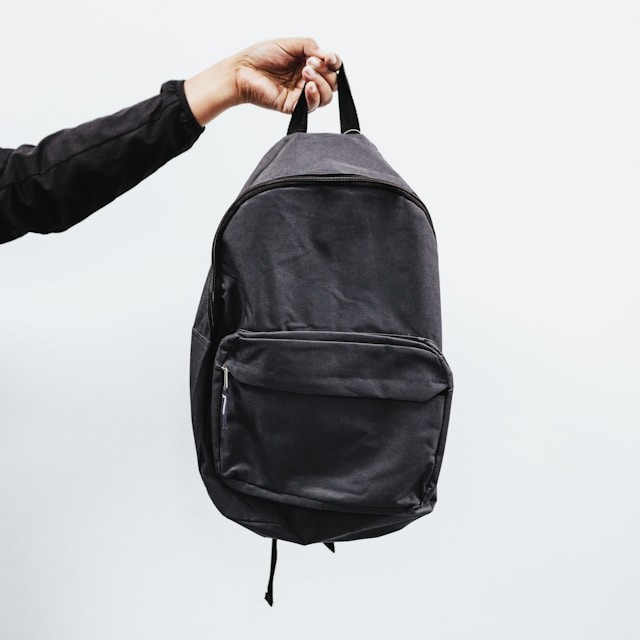
A school bag is one of the few things a child uses every single day, in all weather, loaded with heavy books, for a whole year or more. It’s tempting to treat it as a grudge purchase and grab the cheapest option on the shelf, but a bag that fails by mid-year, or quietly strains a child’s back, costs more in the end.
The good news is that a school bag under R1,000 doesn’t mean choosing between affordability and quality. You do need to know what actually matters. Here’s what to look for.
Back support that protects a growing body
The first thing to check is how the school bag manages that weight. The natural curves of a child’s spine continue to form through late adolescence, so during the school years, those curves are still taking shape and can be influenced by the sustained stress of a poorly fitted or overloaded bag.
Look for a bag with a supportive internal frame that spreads the load evenly across the back instead of letting it collect in one spot, and it’s the single biggest factor in comfort under a full load. A bag that uses a lightweight internal aluminium frame will spread weight and cut the effective load on a child’s shoulders.
Adjustable straps
Straps are where the bag meets the body. Flimsy straps dig into the shoulders and concentrate pressure on a narrow band, while padded straps with contouring distribute that pressure more comfortably.
Straps that let the bag sit high and snug against the back keep the weight centred where it belongs, and they can be tuned as a child grows through the year. A bag that fits properly in January should still fit in October.
Features to look for
School bag material quality
The whole point of spending carefully is for the bag to last for a reasonable amount of time. Cheap bags tend to fail at predictable points with zips that jam and seams that split almost as soon as the warranty is up.
Check the stitching, the fabric, the quality of the seams and especially the base. A structured base keeps the bag upright and holds books in shape, and it takes the daily knocks of being dropped and dragged. A useful signal here is whether the bag comes with a guarantee. A one-year guarantee or more tells you the maker expects the bag to last a full school year.
Weather protection
South African school mornings can range from blazing sun to sudden downpours. A bag made from tough fabric keeps books and devices dry. Tightly woven polyester with a water-repellent finish sheds light rain and resists the fading and wear that constant sun exposure causes over a year.
A structured base helps too, keeping the bottom of the bag off wet ground when it’s set down on a damp pavement or playground, so moisture doesn’t soak up into the contents. Sturdy zips also matter, since exposed or flimsy zips are the first place water works its way in. None of this calls for a specialist bag or a bigger budget. It comes down to checking the durability of the bag before you buy.
Comfort features
A few small details make a real difference over a long school day. A ventilated back panel can help keep a child’s back cooler and stop the sweatiness that makes them shift and fidget with the bag. Enough compartments to organise books, a lunch bag and smaller items help keep the load balanced and stop everything sliding into one heavy corner. None of these needs to push a bag over R1,000.
Budgeting
Under R1,000, the smart move is to put the money into the bag itself. If your budget stretches later, a wheeled trolley bag is worth considering for older children carrying heavier books. For most children, a well-built backpack under R1,000 covers everything they need.
Conclusion
A good school bag under R1,000 isn’t about finding the cheapest item that will do. It’s about knowing which features matter and refusing to compromise on them. Those are real back support from an internal frame, comfortable adjustable straps, a durable build backed by a guarantee, weather resistance and a comfortable design. Get those right, and your spend will be used to carry your child comfortably and safely for the whole year.