
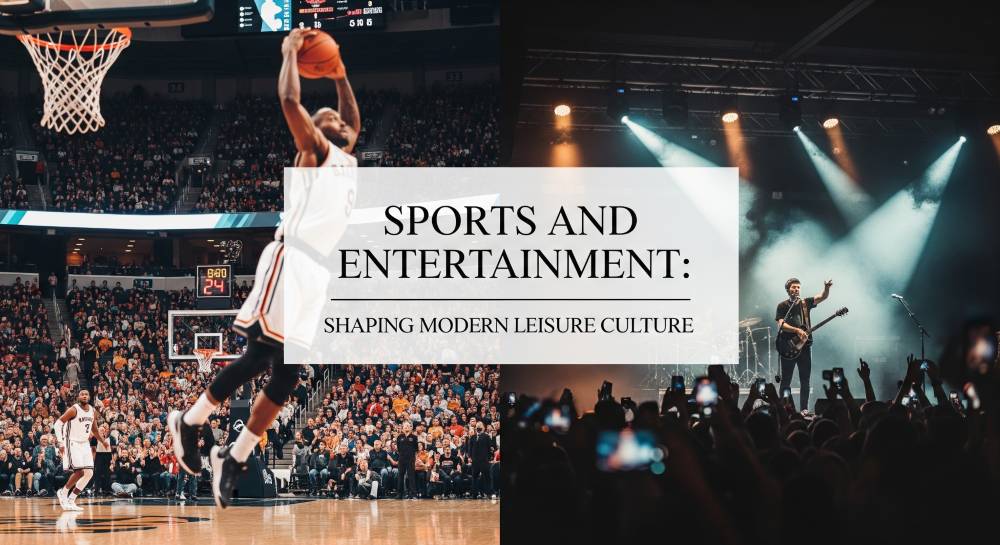
Sports and Entertainment now move together on the same screen. A fan checks Zambia’s qualifying table, watches highlights, argues in a WhatsApp group, and fills the quiet minutes with short digital games. FIFA’s World Cup 2026 African qualifying hub gives the football spine: fixtures, tables, and national stakes across the continent.
For Zambia, the recent numbers hurt. Group E left Morocco clear at the top, while Zambia trailed the playoff race after dropping points in a tight campaign. That table is not just a sport. It shapes radio tone, pub traffic, street jokes, and the way fans talk about selection.
Zambia’s Football Mood After the Qualifying Squeeze
Daka carries more than goals
CAF confirmed Moses Sichone’s 28-man Zambia squad for AFCON 2025 in December, with Patson Daka leading a group that mixed senior names and new domestic call-ups. That detail matters because Zambia’s fan base still measures hope through familiar attackers. Daka is not just a striker on a list. He is the most recognisable reference point for a team trying to rebuild confidence after a rough World Cup cycle.
Daka’s club rhythm also feeds national expectations. In recent seasons in Leicester, he has offered penalty-box movement, pressing, and sharp near-post instincts rather than a pure target-man profile. Zambia need that mobility because too many attacks become hopeful crosses when midfield support arrives late.
Fashion Sakala keeps the emotional edge
Fashion Sakala gives Zambia a different rhythm. He attacks space earlier, plays with a more instinctive body shape, and usually turns broken phases into direct runs. That style travels well with fans because it creates visible intent even when the team lacks control.
For broadcasters and publishers, Sakala is valuable because his game creates clips. A near-post run, a sprint into the channel, a frustrated reaction after substitution: these moments become social media currency. Modern sport survives on these fragments.
How Games Fill the Gaps Between Matches
Sports weekends do not contain only the 90 minutes. The hours before kick-off are filled with predictions, lineup screenshots, short clips, music, food, and mobile gaming. After the final whistle, the same audience often stays online because the emotional charge has nowhere else to go.
Short casino sessions fit that pattern because they do not demand a full evening. The appeal is timing, not complexity. A player moving from match highlights to mel-bet.et/en/slots/game/112428/chicken-road enters a game format built for quick rounds and immediate visual feedback. RNG decides outcomes, so the experience differs sharply from football analysis built on form, injuries, and tactical matchups.
Casino lobbies have also become part of broader entertainment browsing. People scan games by theme, pace, and session length in the same casual way they scan a fixture list. A section such as https://melbet-ethiopia.com/casino works best when users can move between slots, table games, and fast games without heavy onboarding. The practical value is variety: a short break, a longer session, or a switch from sport-led tension to pure game mechanics.
Sports Betting Context Without the Noise
Odds follow information, not emotion
Sports betting around Zambia’s fixtures works best when treated as a matter of information access. A fan can check current odds, compare squad news, and track market movement, but the result still depends on finishing, defensive spacing, officiating, weather, and fatigue. That is the hard part.
Football markets often react quickly to team news. If Daka starts, the price on Zambia’s scoring markets can move. If Sakala is wide instead of central, shot volume may shift toward crossing zones rather than penalty-box combinations.
Matchday table for readers
| Event signal | Entertainment effect | Betting relevance |
| Squad announcement | Fan debate spikes | Outright and match odds shift |
| Early goal | Social traffic rises fast | Live markets reprice instantly |
| Substitution of star forward | Mood drops or sharpens | Goal markets adjust |
| VAR delay | Tension spreads online | Cards and penalty markets react |
| Post-match controversy | Radio and social debate extend | Next-match sentiment changes |
Why Public Viewing Still Matters
Digital habits are strong, but football still needs bodies in a room. A Zambia match feels different when watched in a packed bar, a roadside screen corner, or a living room with three generations arguing over the same defensive mistake. Noise changes memory. People remember where they stood when the goal went in.
That atmosphere also shapes entertainment choices after the match. A win extends the night. A loss creates restless scrolling. A draw invites tactical arguments that run longer than the game itself.
The New Leisure Cycle Is Hybrid
Zambia’s football results create the emotional charge, mobile platforms hold the audience, and short games fill the spaces between fixtures, highlights, and arguments. One missed chance can send a bar silent for five seconds, then every phone lights up at once.